Toms Hive Insights | Visibility Partner
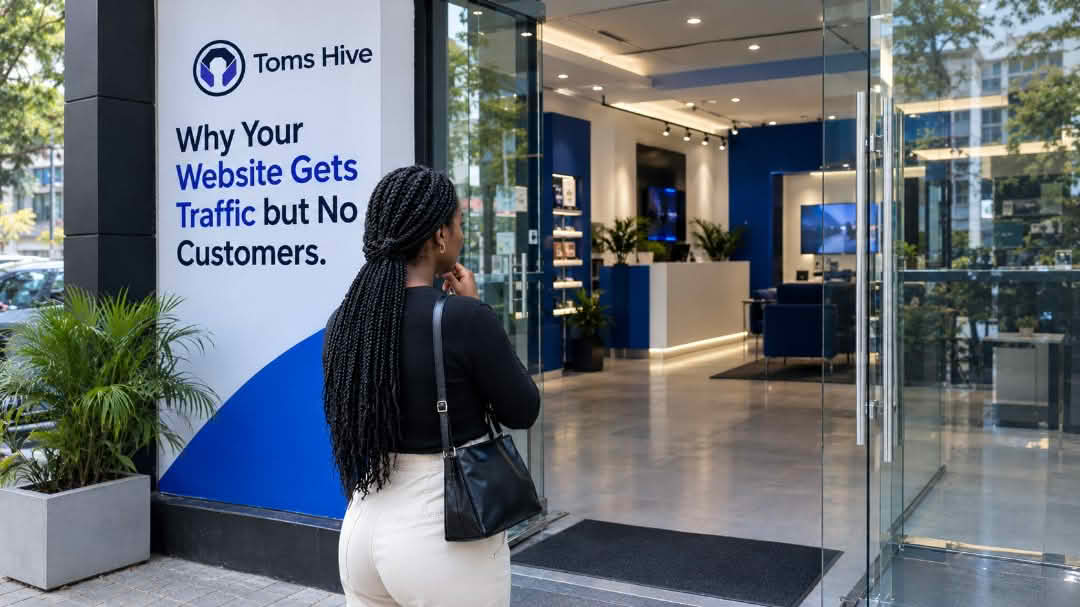
You could be losing potential customers on your website right now and not even know it.
People are visiting. Your marketing is getting attention. But the enquiries are barely coming in, and your sales are not reflecting the traffic.
Naturally, you start wondering: Why is my website not bringing customers?
The frustrating part is that your website might look professional, load properly, and display everything you offer, yet still give potential customers reasons to leave without buying.
The problem may not be getting people to your website. It may be what happens after they arrive.
Here are six overlooked reasons your website could be losing potential customers and what you can do about them.
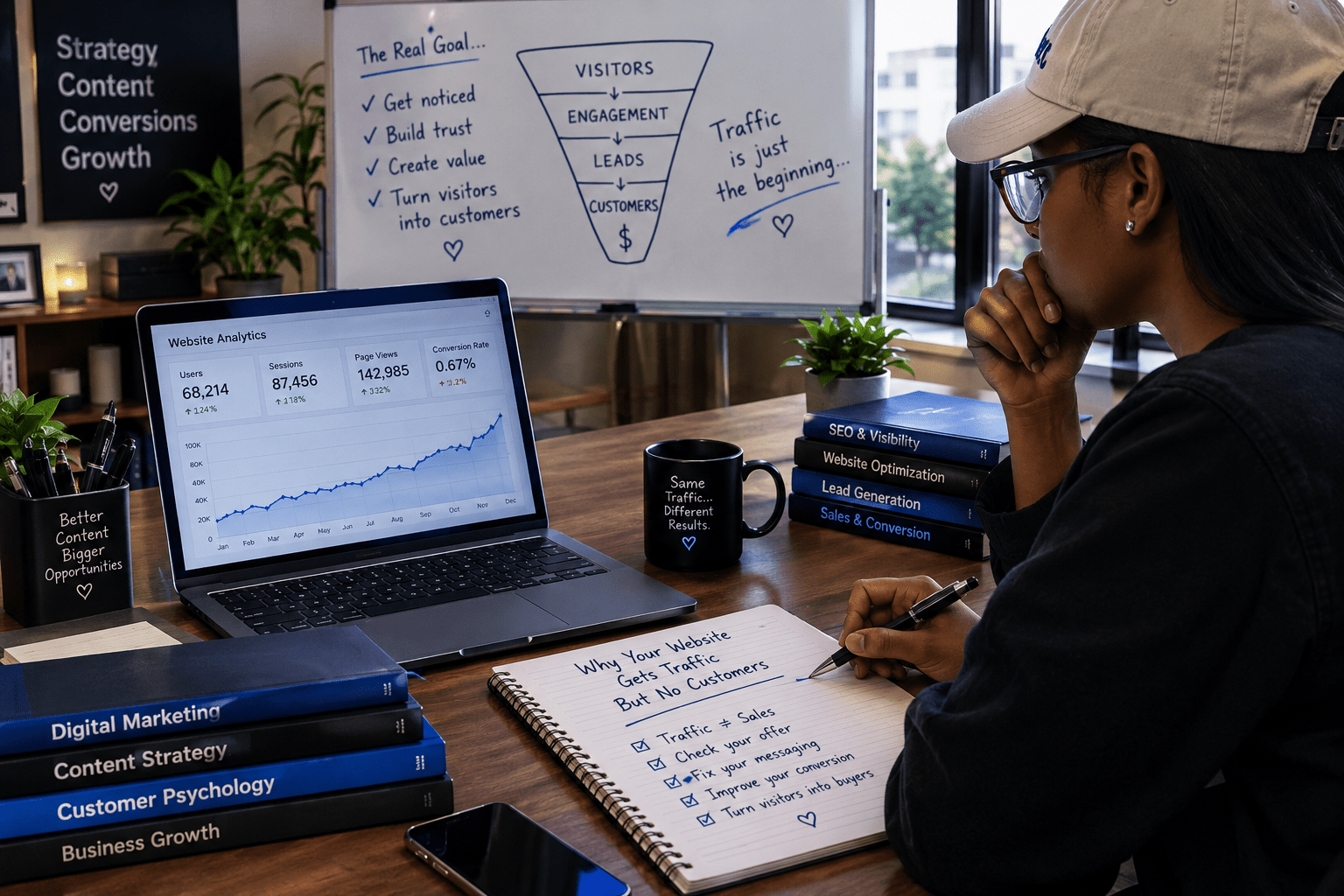
1. Your Website Answers Questions Your Customers Haven’t Asked Yet
Imagine someone visits your website because they need a social media manager. The first thing they see is your company history, mission statement, awards, and a long description of your values.
Those details might be important to your business, but the visitor has more immediate questions:
- Can you manage a business like mine?
- What exactly will you handle?
- How does your service work?
- What do I need to get started?
If the visitor has to dig through several pages to find these answers, they may leave before discovering whether you are the right fit.
The overlooked issue: Your website may be talking about your business when the visitor is trying to understand their own situation.
Review your main service pages. Within the first few seconds, can a visitor understand what you offer, who it is for, and what problem it solves? If not, your message may need to become more customer-focused.
2. You Make Visitors Work Too Hard to Trust You
A website can look beautiful and still leave people uncertain about whether they should spend their money.
Consider a visitor who finds your catering business online. The menu looks appealing, and the prices seem reasonable. But the website does not explain how far you deliver, whether customers need to pay a deposit, or how to confirm an order.
The visitor now has unanswered questions that could affect their decision.
They might send a message to ask. Or they might choose a competitor whose website already provides the answers.
Trust is not built by writing “We are reliable” in bold letters. It is also built by removing uncertainty.
What many businesses overlook: Small missing details can create big doubts.
Depending on your business, visitors may need clear pricing information, delivery terms, service areas, cancellation policies, real customer reviews, or an explanation of what happens after payment.
Look at your website from the perspective of someone who has never bought from you. What would they need to know before feeling comfortable taking the next step?
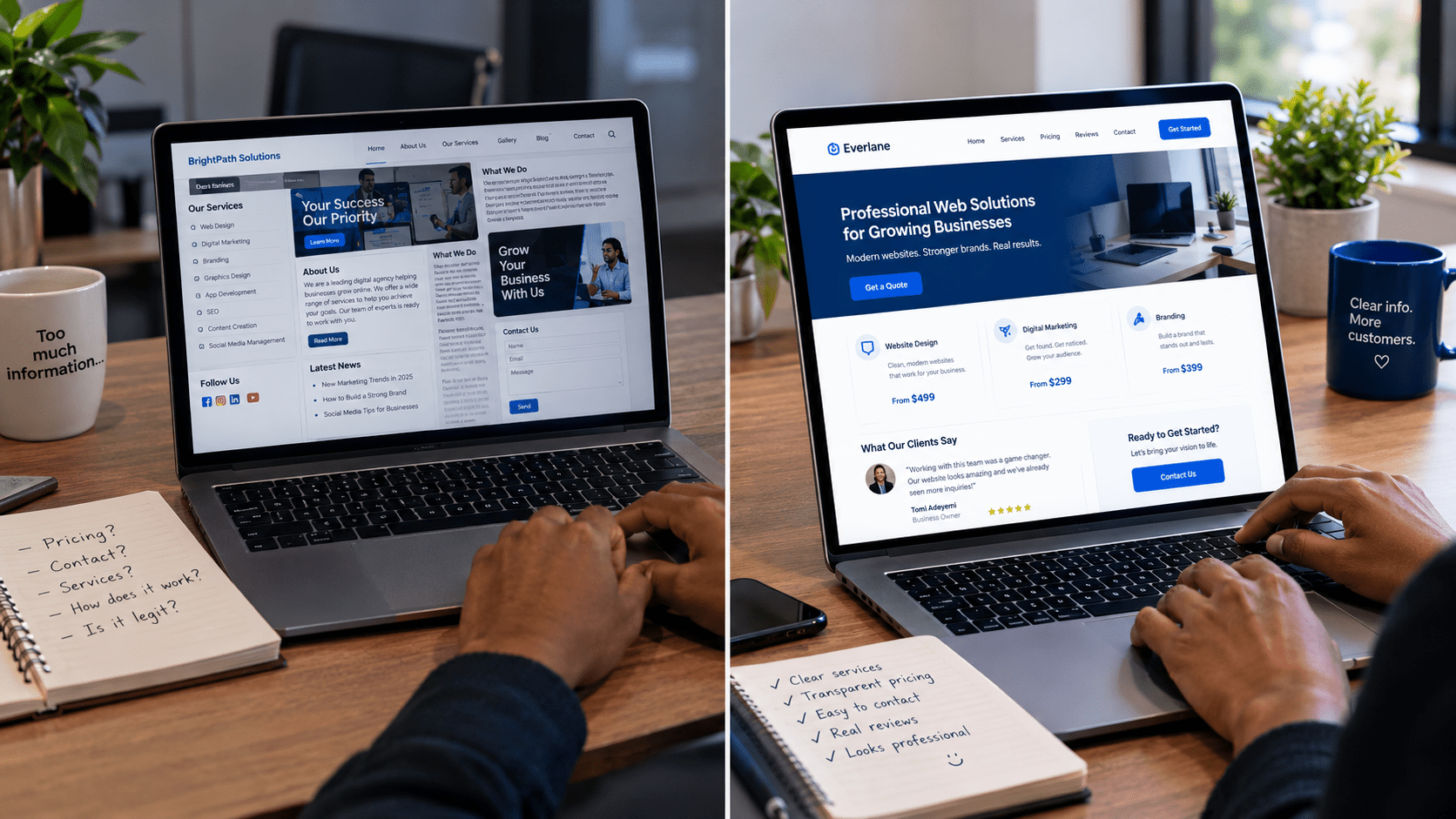
3. Your Website Asks for Too Much Commitment Too Soon
Not everyone who visits your website is ready to buy immediately.
Someone discovering your consulting business for the first time may want to understand your approach before booking a consultation. A potential customer considering an expensive service may need to compare options before sharing their phone number or filling out a lengthy form.
Yet some websites give visitors only one option: Buy now, book now, or fill out this form.
That can be a difficult first step for someone who is still deciding.
The answer is not to remove your main call to action. It is to consider whether visitors at different stages of their decision need different ways to engage.
For example, a service business could offer a useful guide, a clear explanation of its process, or answers to common questions alongside its booking option.
Give interested visitors a reasonable next step, even when they are not ready to become customers today.
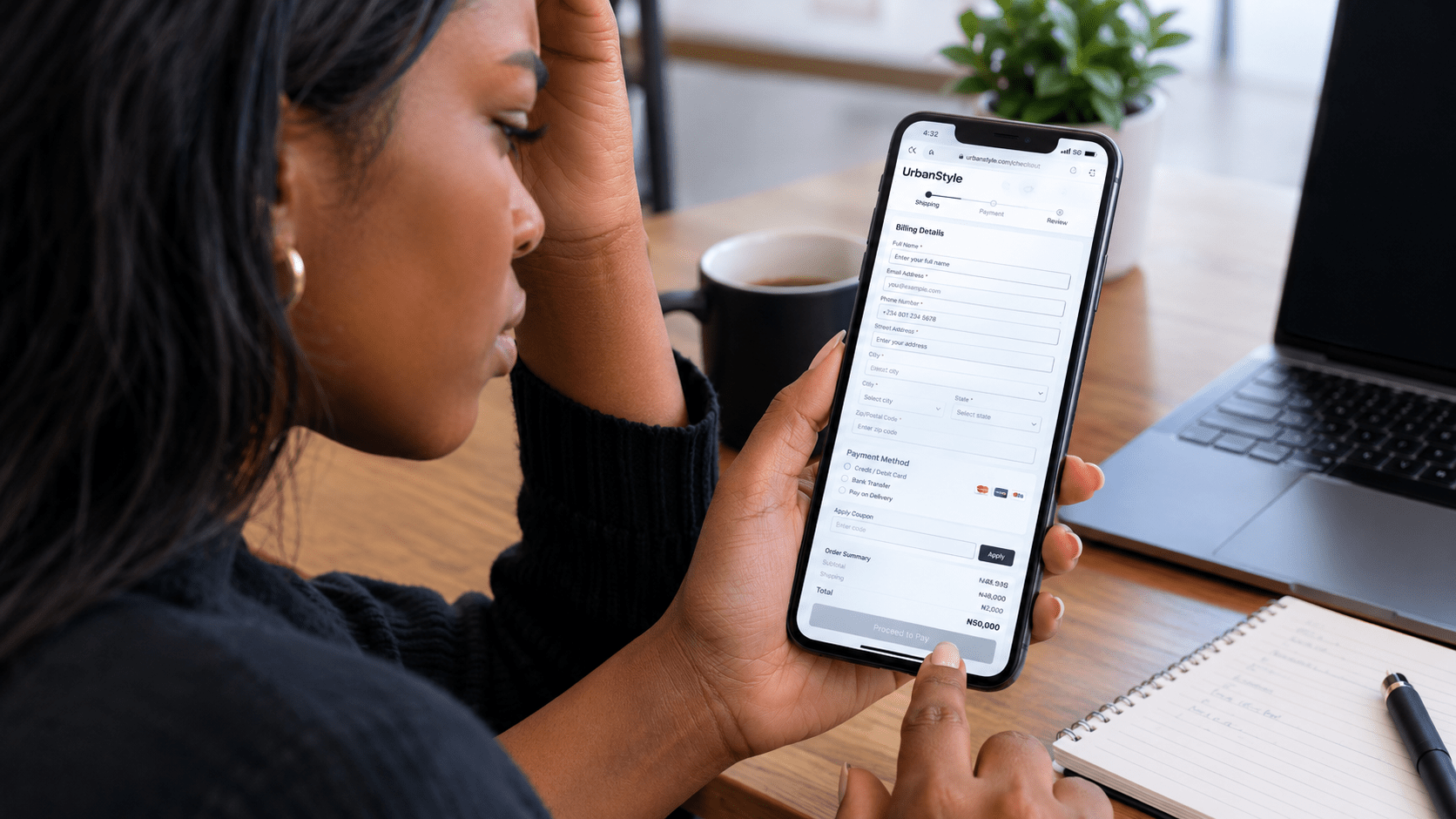
4. Your Website Works on Mobile, but Buying on It Is Frustrating
Opening it on a phone is not the same as being easy to use on a phone. Even Google distinguishes between a page that loads and one that is easy to use.
A product page may load successfully, but the size-selection buttons could be difficult to tap. A customer may have to zoom in to read the price. A contact form may require too much typing, or the checkout process may ask them to enter information they have already provided.
None of these problems necessarily prevents a visitor from browsing. They simply make completing a purchase more difficult than it needs to be.
And when someone is shopping on a phone, even a small inconvenience can give them a reason to postpone the purchase.
Do not stop at checking whether your website looks good on mobile. Use your own phone to complete the entire process: find a product or service, choose an option, submit an enquiry, or proceed through checkout.
Pay attention to the points where you have to pause, repeat an action, or figure out what to do next. Those are places worth investigating.
5. Your Website Leaves People Wondering What Happens Next
Imagine a customer submits an enquiry through your website. They click the button, the page reloads, and nothing obvious happens.
Was the message sent? Should they submit it again? When should they expect a response?
Now imagine someone completes a purchase but receives no clear confirmation or next-step information.
These moments happen after the visitor has already shown interest. Yet businesses sometimes pay more attention to attracting visitors than to what those visitors experience after taking action.
A missing confirmation message, unclear response timeline, or confusing next step can weaken confidence at a critical moment.
Review what happens immediately after someone contacts you, books a service, or makes a purchase. Does the website confirm the action? Does the customer know what happens next? Are they told how or when they will hear from you?
A good website should not leave interested customers guessing.
6. Your Website Gives Every Visitor the Same Journey
A person who has already compared your prices and is ready to buy does not need the same information as someone who has just discovered your business.
The first visitor may need a straightforward route to purchase. The second may need an explanation of your service, evidence of your experience, or answers to common concerns.
If both visitors encounter the same generic message and the same next step, your website may fail to meet either person’s needs at the right moment.
This does not mean you need dozens of pages or a complicated website. It means thinking carefully about the different reasons people arrive.
Someone searching for the cost of your service should be able to find relevant pricing information. Someone looking for proof that you can solve their problem should be able to find credible examples of your work, where available.
The more closely your pages match what visitors came to find, the easier it becomes for them to decide what to do next.
Before You Spend More on Traffic, Look at What Happens After the Click
More visitors will not automatically solve a website that makes it difficult for people to become customers.
Before increasing your advertising budget or investing in another marketing campaign, examine the experience you are already paying to create.
Choose one important page and go through it as a potential customer would. Look for unanswered questions, missing information, unnecessary steps, confusing buttons, and unclear confirmations.
Then review your website data to see where visitors leave or which actions they complete. If the data does not explain why people are leaving, test the experience with a few people who resemble your intended customers and watch where they hesitate. Their feedback can reveal issues your analytics alone cannot explain.
Remember, traffic tells you people arrived. It does not tell you that they understood your offer, trusted your business, or found it easy to buy.
~ Toms Hive
Your website should do more than attract attention. It should help the right people move from interest to action.
But your website is only one part of the customer journey. If your wider marketing efforts are also struggling to generate enquiries, read our guide on Why Your Digital Marketing Isn’t Generating Leads: Find the Leak and Fix It.